
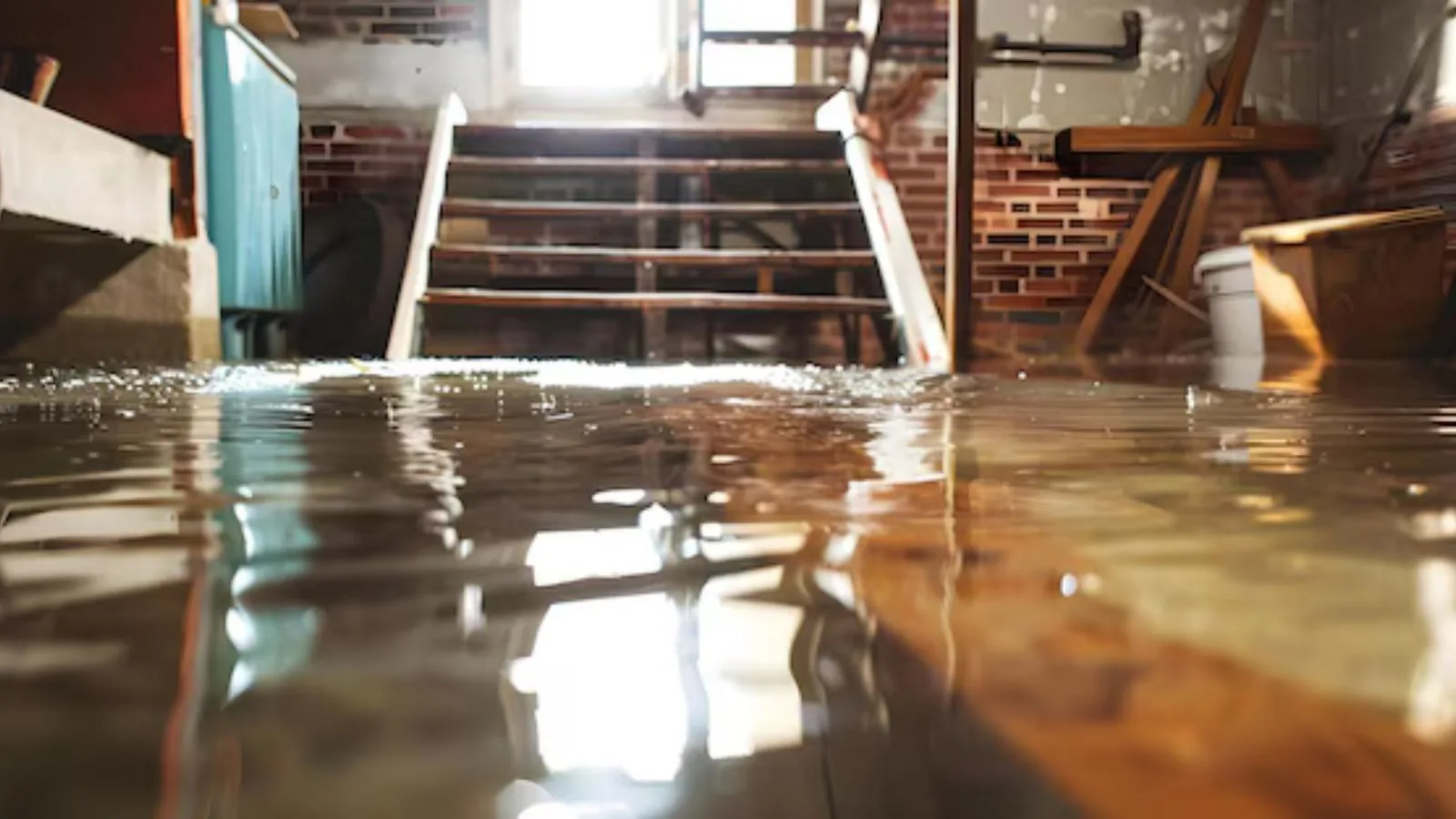
A leak that is caught in minutes is a cleanup. A leak that runs for days in an empty house is a loss. If you are leaving for a few days or longer, a short checklist lowers the chance that something fails unseen. This guide gives the steps, with extra attention to winter and storm seasons in Wellesley.
Before you leave: the basic checklist
- Close the main water shut-off if you will be gone more than a few days, or at least the supply to the washing machine and the ice maker.
- Check under sinks and around toilets for drips and fix them before you go.
- Turn the water heater to a vacation setting or off, following the manufacturer's directions.
- Make sure gutters and downspouts are clear and discharge away from the house.
- Test the sump pump if you have one, and check that it has power.
- Ask a neighbor or friend to look inside the house, since an outside glance misses most leaks.
Shutting the main is the single most effective step. If a hose or fitting fails, nothing is pressurized behind it.
In winter
Frozen pipes are a major cause of water damage when a house is empty. Keep the heat on, set at a level the pipes and rooms stay above freezing, open cabinet doors on exterior walls and drain outdoor spigots. The Massachusetts Division of Insurance warns that damage from wear and neglect is not covered, so a house left without heat is a risk both for the pipes and the claim.
If a pipe does freeze and split, frozen pipe water damage explains the shut-off steps and what the thaw does. For a split line of any kind, burst pipe water damage explains the cleanup.
In storm season
| Risk | Before you go | Why |
|---|---|---|
| Heavy rain | Clear gutters, check the sump pump and move valuables off the basement floor | Water finds the bottom room first |
| Wind and storm | Secure outdoor items and check roof and window seals | Wind-driven rain enters small gaps |
| Power outage | Plan for the sump pump and consider backup power | No power means no pump |
| Ice and snow | Keep gutters clear and the attic ventilated | Ice dams push water under shingles |
Some homeowners add leak sensors and an automatic shut-off valve. They are inexpensive compared with a loss, but they only help if the alert reaches someone who can act.
If you come home to water
Do not walk into standing water if outlets or the panel are wet. Close the main if you can reach it safely, call the dispatch line at (833) 521-1033 and photograph the damage. Water extraction is the first step, followed by drying.
The longer trip checklist
- Ask a neighbor or friend to check the house on a schedule and give them the shut-off locations.
- Leave the thermostat set to a safe level in winter and a reasonable level in summer so humidity does not build.
- Check and clear the dryer vent and the washing machine hoses before you leave.
- Take photos of the house before you go, so any change is easier to spot and document.
- Leave your phone number and a backup number with the neighbor and the dispatch line you would call.
For a trip longer than a week, consider a house check by a professional or a trusted friend, and think about whether to shut off the main. Some households leave it on for sump pumps or irrigation, and that choice depends on your setup.
When the main stays on
If you must leave the water on, close the supply to the washing machine, the ice maker and any outdoor spigots, and lower the water heater setting. Check that automatic shut-off devices have fresh batteries. A small amount of effort here removes the most common sources of a surprise return.
A few hours before you leave
Do a final walk through the house. Look under sinks, at the washing machine, at the water heater and in the basement for drips or damp spots. Fix small problems now, because a drip that is slow on a Friday can be a puddle by Monday.
Then close the shut-offs you plan to close, set the heat and leave your contact details with the person checking the house.
The short version
- Closing the main water valve is the most effective step.
- Keep the heat on in winter and clear gutters in storm season.
- Test the sump pump and plan for power outages.
- Have someone check the house inside, not just outside.
Wellesley note: one downpour is enough
The Town of Wellesley's climate plan, prepared under the state's Municipal Vulnerability Preparedness program, names flooding as one of four primary hazards and says a single intense downpour can cause serious flooding. It also notes that Norfolk County had 16 FEMA flood-related declared disasters from 1954 to 2017, the second most of any Massachusetts county.
That record is a reason to treat a short trip in a rainy season seriously. Test the sump pump, clear gutters and ask someone to check the bottom level. Neighbors in Natick, Dover and Weston face the same weather and the same advice applies.
Frequently asked questions
Should I shut off the water main when I leave for a weekend?
It is the most effective step if you will be away more than a day or two, though some households leave it on for a short trip. At minimum, close supplies to the washer and ice maker.
Is it safe to turn the heat down in winter while I am away?
Keep it high enough that pipes and rooms stay well above freezing. A cold house raises the risk of frozen pipes.
Do leak sensors work?
They can, if the alert reaches someone who can act. They do not stop a leak by themselves unless they are tied to a shut-off valve.
How many flood disasters has Norfolk County had?
Wellesley's climate plan cites 16 FEMA flood-related declared disasters from 1954 to 2017, the second most of any Massachusetts county.
Water still spreading? Call the 24/7 line
Describe what you see and what has been shut off. Scope and price are explained before work starts.