
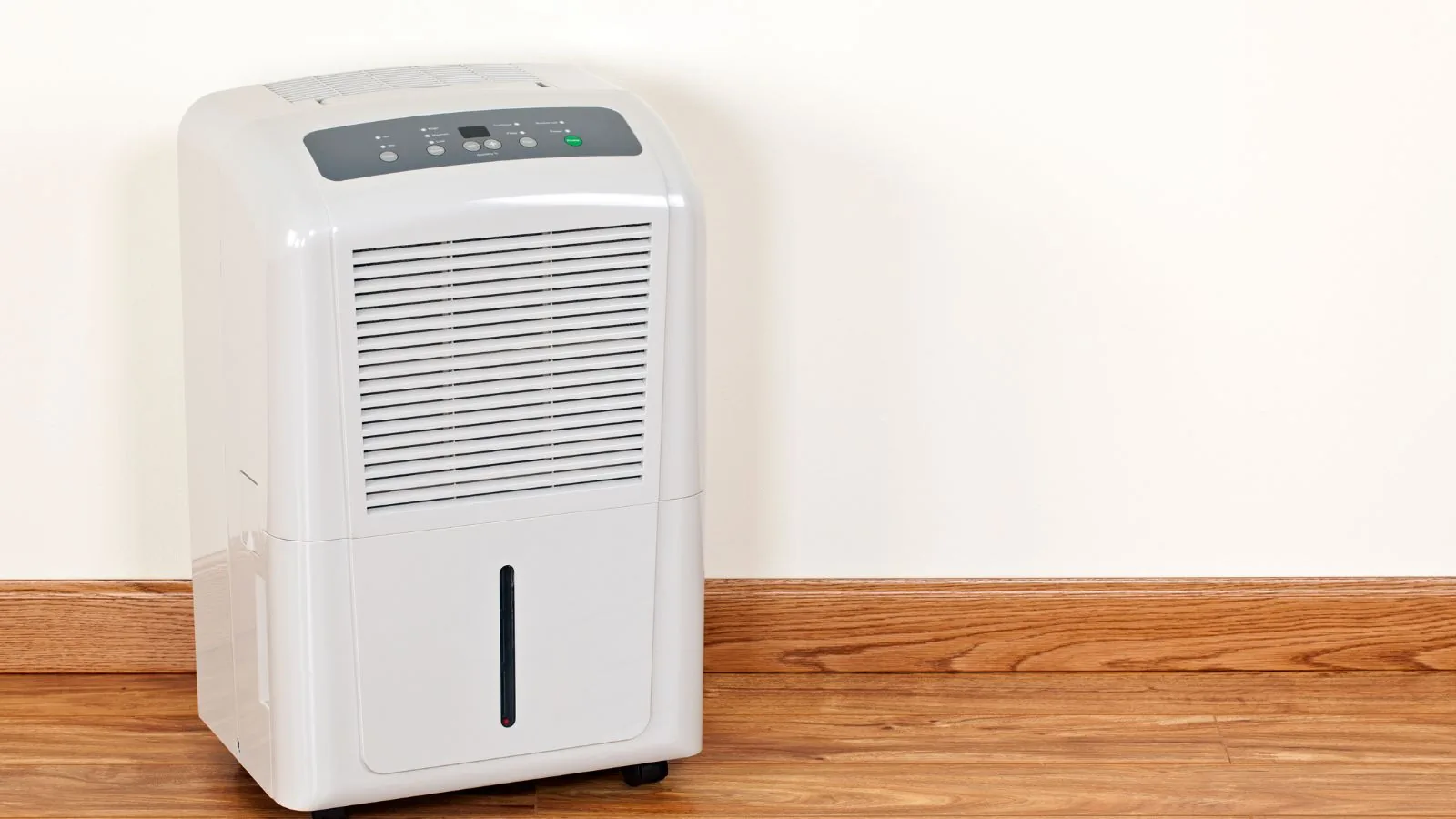
Structural drying and dehumidification is the process of removing moisture from the framing, subfloor, drywall and air of a building after water damage, using air movers, dehumidifiers and moisture readings. In a Wellesley home it is what makes a wet house safe to rebuild, and it is also the stage most often cut short because the surface looks dry. Call (833) 521-1033 if your walls, floors or air still feel damp days after the water was removed.
Drying follows the standing water removal covered in water extraction and, where mold has begun, it comes before or alongside mold remediation. Water mitigation is the umbrella term for stopping the loss and drying the structure, and this page explains the drying part.
The floor feels damp, the wall is cold: what that means
A symptom-first reading helps. A wall that feels cool and slightly clammy after a leak, a floor that still gives off a damp smell, a window that fogs on the inside or a musty odor that returns each morning all point to moisture still held in materials.
Drywall, wood and insulation absorb water and release it slowly into the air, so the room feels humid even though nothing is dripping. Drying equipment is how that stored water is pulled out on purpose and measured.
How structural drying works
Drying is a measured process built on three tools. Moisture meters and thermal cameras map where water is and how much, air movers sweep moist air off wet surfaces, and dehumidifiers remove the moisture from the air so it can keep drawing water out of materials. Equipment is placed by the readings and moved as the wet areas change.
Technicians record readings each day on the same spots and adjust the equipment. When wall, floor and cavity readings reach the dry standard for the material, the equipment comes out. A calendar guess would be faster and less honest.
The equipment, in plain words
- Moisture meters read how wet wood, drywall and concrete are.
- Thermal cameras show cooler, wetter areas behind surfaces.
- Air movers push air across wet surfaces to speed evaporation.
- Dehumidifiers pull the moisture out of the air so drying continues.
- Cavity drying systems push warm, dry air through wall bottoms through small openings.
Restoration companies use this equipment on the job and bring it back when drying ends. It is not offered as a rental, and household fans and small dehumidifiers do not move the same volume of air or remove the same volume of water.
How long does drying take?
There is no honest single number. A small, clean-water loss may dry in a few days, while a deeper loss, a dense material or a cold house takes longer. The Massachusetts Department of Public Health recommends cleaning and drying wet areas within 24 to 48 hours to prevent mold, and that is the reason to start drying early instead of waiting for a stain to appear.
| Material | Why it dries slowly | How it is dried |
|---|---|---|
| Concrete slab | Dense and holds water deep | Surface drying with dehumidifiers and readings over days |
| Wood framing and subfloor | Absorbs and releases slowly | Directed airflow and controlled humidity |
| Drywall and plaster | Wicks upward and traps water behind paint | Cavity drying or removal where soaked |
| Insulation | Holds water against the sheathing | Usually removed and replaced |
Water still spreading? Call the 24/7 line
Describe what you see and what has been shut off. Scope and price are explained before work starts.
What a drying job depends on
Scope and price are explained before work starts. The drivers are below.
- The area and the materials that are wet.
- How long they were wet before drying began.
- The amount of equipment the readings require.
- The number of drying days until readings reach a dry standard.
- Whether removal or cavity opening is needed for access.
To price your drying scope, call (833) 521-1033 and describe the damage.
Insurance and documentation
Daily moisture logs and photographs document what the water did and when it was dried. That record supports an insurance claim, and your insurer decides coverage based on the cause. Ask your insurer how the policy reads and keep the drying log with your paperwork.
Frequently asked questions
Can I just run fans and a dehumidifier I already own?
Small equipment helps a spill, but it cannot dry a wet wall cavity or a soaked floor to a measured standard. The readings, not the equipment count, decide when a structure is dry.
Do you rent out air movers or dehumidifiers?
No. The equipment is used on restoration jobs by the crew and picked up when the readings are dry. It is not offered for rental.
How do I know when drying is finished?
When moisture readings in the affected materials reach the dry standard for each material, as recorded in the daily log.
What is moisture mapping?
A survey with a moisture meter and thermal camera that marks which materials are wet and how wet. It tells the crew where to place equipment.
Why does my house smell musty after the water is gone?
Materials that are still damp release moisture and odors slowly. Continued drying and, where needed, mold checks resolve it.
Water still spreading? Call the 24/7 line
Describe what you see and what has been shut off. Scope and price are explained before work starts.
Serving Wellesley and the towns around it
Drying calls reach us from Wellesley and from Natick, Dover, Weston and Wayland. Weston and the other nearby towns each have their own page for local detail.
Reference: the trade follows the ANSI/IICRC S500 standard for professional water damage restoration. Ask the dispatcher which parts apply to your job, and read the scope before work starts.