
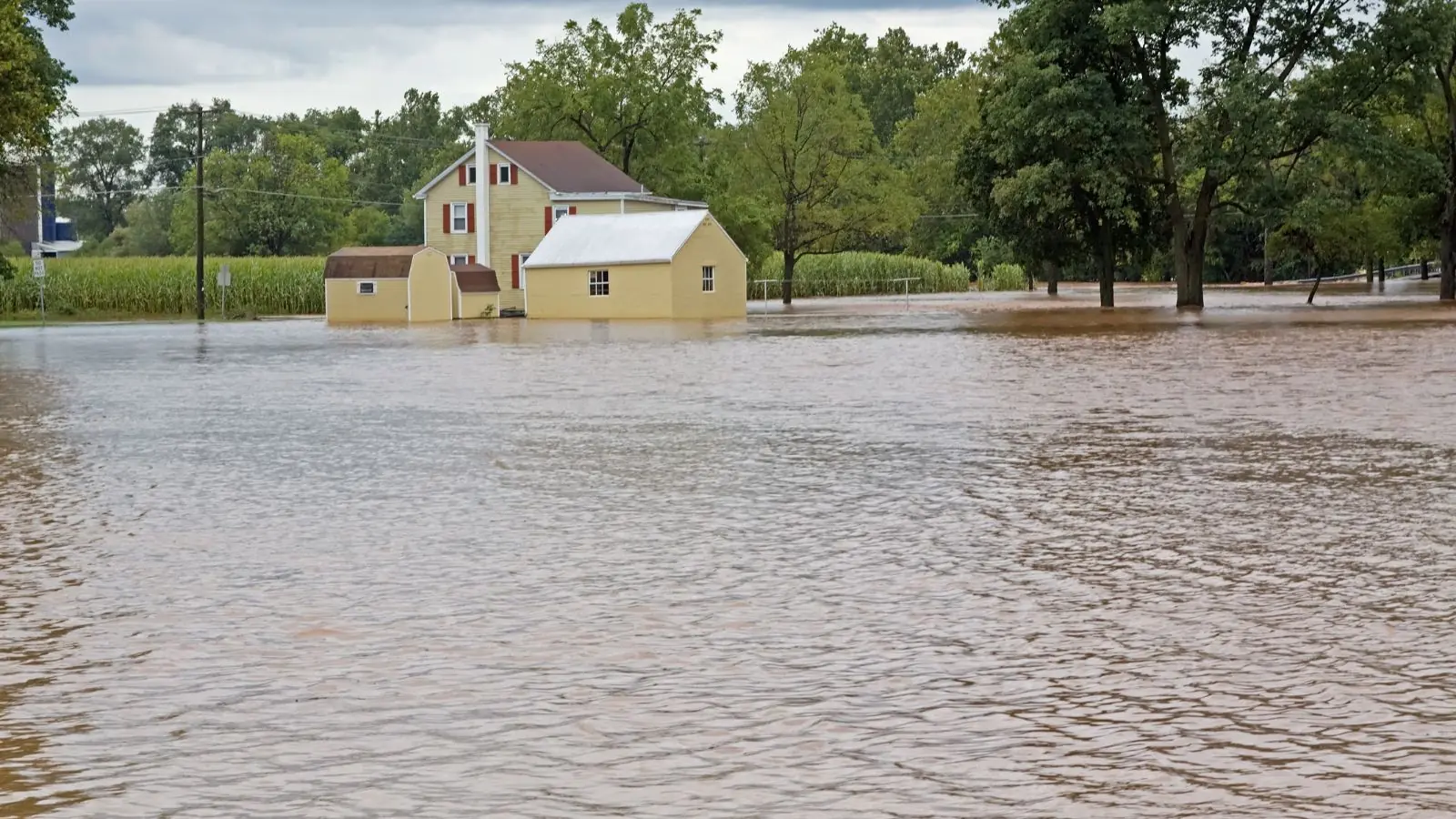
Storm water inside a Wellesley home is an emergency, and the dispatch line is open 24/7 for it. Storm water damage cleanup is the removal and drying of water that entered through the roof, windows, walls or garage during wind, heavy rain or a coastal-style storm. Stay away from downed lines, protect what you can with plastic and call before you start moving wet materials.
This page covers water that comes through the building envelope in a storm. Water that rises from the ground or a river is flood damage cleanup, and a steady roof leak with no storm event is closer to ceiling water damage repair.
Storm water emergency: first steps
- Check for hazards. Stay away from downed power lines and call the utility or 911.
- Shut off power to wet areas only if you can reach the panel dry.
- Cover openings with plastic or a tarp if you can do it safely. Do not climb on a wet roof.
- Photograph the opening, the water and the damage before cleaning.
- Call (833) 521-1033 and tell dispatch where water entered and how much it reached.
How storm water gets in
Wind drives rain sideways under shingles, around windows and through gaps in siding. A branch or tree can open a hole in a roof. Gutters that overflow dump water against walls and into basement window wells, and a garage door that does not seal lets water flow across the floor. The path matters, because it tells the crew where the wet materials are.
What the Wellesley record says
The National Weather Service reports that three storm systems brought heavy rain to eastern Massachusetts in March 2010, and that Boston recorded 14.87 inches for the month, a record for March. Portions of Route 9 in Natick and Wellesley were shut down during the mid-March flooding. That is a single event and not a trend, but it shows how quickly a stretch of storms overwhelms drains, sump pumps and gutters.
Wind, snow load and ice dams are separate storm paths. The Massachusetts Division of Insurance notes that damage from ice and snow weight and from ice dams is covered by homeowners policies when it is sudden, but wear and neglect are not.
Cleanup and drying after a storm
Standing water is extracted, wet insulation and soft drywall are removed, and the structure is dried with air movers and dehumidifiers until readings are dry. Rain water that entered through a roof is usually cleaner than flood water and can often be dried in place, while water that crossed soil or a drain is treated as contaminated.
Temporary protection, such as a tarp over a roof opening, is part of limiting further loss, and a roofer handles the permanent repair. Keep every receipt, since reasonable steps to prevent more damage often matter to the claim.
| Entry point | Typical damage | Common next step |
|---|---|---|
| Roof opening from a branch or wind | Attic insulation, ceiling below | Tarp, then roofer and ceiling drying |
| Window or door gap | Wall and floor near the opening | Dry the wall base and trim, seal the gap |
| Overflowing gutters against the wall | Wall cavity, basement wall | Dry the cavity, fix the drainage |
| Garage door or lower level | Floor and stored items | Extract, sort contents, dry the slab |
Water still spreading? Call the 24/7 line
Describe what you see and what has been shut off. Scope and price are explained before work starts.
What storm water cleanup depends on
Scope and price are explained before work starts. These items usually decide it.
- How much water entered and through how many openings.
- Which materials were reached: insulation, drywall, flooring or contents.
- Whether the water was rain only or crossed soil or a drain.
- Temporary protection needed before repairs.
- The drying days the readings call for.
For your own scope, call (833) 521-1033 and describe where the water came in.
Insurance and documentation
Wind and rain damage may be covered depending on how your policy defines the cause, and flood damage is excluded under standard homeowners policies. Ask your insurer, keep temporary repair receipts and photograph the storm damage before cleanup.
Frequently asked questions
Should I wait for the storm to end before calling?
Call as soon as it is safe. Dispatch can start planning while the storm continues, and your photos of the damage while it is happening help the claim.
Can I tarp the roof myself?
Only if you can do it without climbing on a wet or icy roof. Do not take risks. A roofer or the restoration crew can place temporary protection.
Is rain water from a roof leak contaminated?
It is often cleaner than flood water, but it can pick up dirt and insulation fibers. The crew checks the materials and decides how to handle them.
What if a tree fell on the house?
Stay out of the damaged area, call the utility if lines are down and call your insurer. Dispatch can help with water extraction and drying around the damage.
Will my policy cover storm damage?
It depends on the cause and the policy. Many cover sudden wind and rain damage, while flood is excluded. Ask your insurer.
Do you handle storm water damage emergencies at night or on weekends in Wellesley?
Yes. Storm damage happens on its own schedule, and the 24/7 line is answered at night, on weekends and on holidays. Stay clear of downed lines and call (833) 521-1033.
Water still spreading? Call the 24/7 line
Describe what you see and what has been shut off. Scope and price are explained before work starts.
Serving Wellesley and the towns around it
Storm calls reach us from Wellesley, Natick, Dover, Weston and Wayland. Wayland sits along the Sudbury River, and its page describes what storm water means there.
Reference: the trade follows the ANSI/IICRC S500 standard for professional water damage restoration. Ask the dispatcher which parts apply to your job, and read the scope before work starts.