
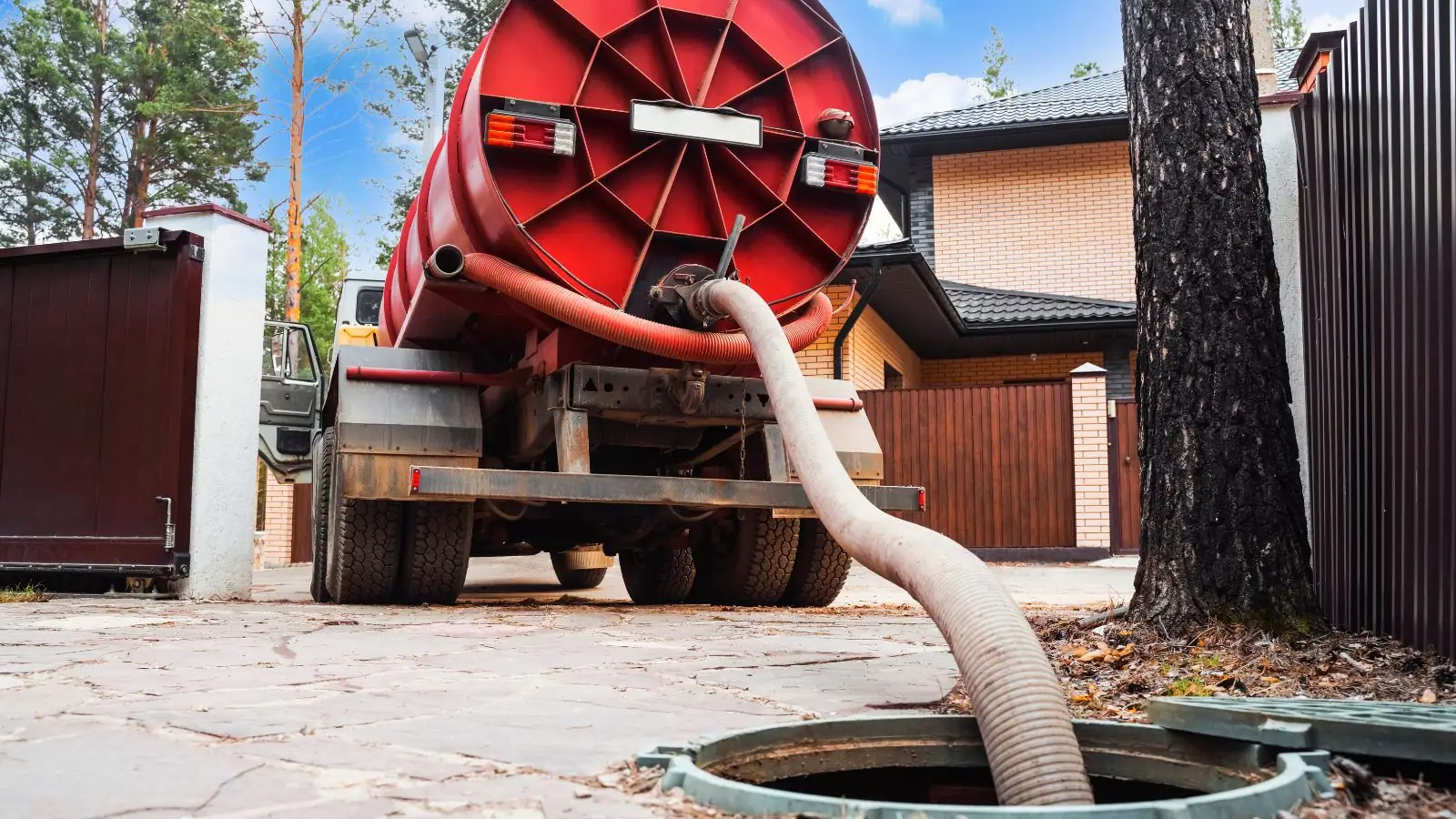
Sewage coming up a drain in a Wellesley home is an emergency, and the dispatch line is open 24/7 for it. Sewage backup cleanup is the safe removal and sanitizing of contaminated water and the materials it touched, and it is treated as Category 3 water under the ANSI/IICRC S500 standard. Keep people and pets out of the water, do not run water or flush toilets, and do not try to clean it with household tools.
The cause is in the pipe, not in your house, so a plumber or the town's Department of Public Works addresses the blockage while the restoration crew handles the damage. If the water is clear and came from a supply line, water extraction is the right page.
Sewage backup emergency: what to do right now
Safety first
- Do not touch the water or wet materials without gloves, boots and eye protection.
- Keep children, pets and anyone with a weak immune system out of the area.
- Stop using sinks, tubs, showers, the dishwasher and the washing machine so you do not add water to the backup.
- Do not use a household wet vacuum or fans on sewage. They spread contamination into the air.
- Shut off power to the area only if you can reach the panel without standing in water. Otherwise call the utility or 911.
Water that is coming up a drain: what that means
A backed-up floor drain, toilet or tub is more specific than a leak. It means water that should be moving out of the house is moving back in, and it may carry waste, bacteria and chemicals. Callers often describe it as a basement drain gurgling, a dark smell or water bubbling in a low fixture, and the right action is to stop all water use and call.
Who handles the blockage
The Wellesley Department of Public Works Water and Sewer Division maintains the town's sewer system and says that wipes and paper towels clog sewers and cause backups and overflows. For an overflow after hours, the division's page directs residents to its after-hours line, where an answering service dispatches on-call staff. A blockage in the street main is the town's, while a blockage in your own lateral may be yours, so ask the DPW where its responsibility ends.
Restoration does not clear the blockage. The restoration team arrives to remove the contaminated water and material once the line is clear or in parallel with it.
How a sewage cleanup works
The crew wears protective equipment, contains the affected area and extracts the contaminated water with equipment dedicated to the job. Porous materials such as carpet, pad, insulation and drywall that were in the water are removed and bagged. Hard surfaces and framing that stay are cleaned and treated with antimicrobial products, then dried with air movers and dehumidifiers.
Because sewage carries risk, the crew documents each step, and a final moisture and cleanliness check closes the job. A household fan and a bucket do not do any of this, and the shortcut costs more when odors and growth return.
| Material | Typical handling after sewage contact | Reason |
|---|---|---|
| Carpet, pad and rugs | Remove and discard | Porous and cannot be sanitized reliably |
| Drywall and insulation | Remove affected sections | Absorb contaminated water |
| Concrete, tile and sealed wood | Clean, treat and dry | Non-porous or cleanable |
| Stored boxes and soft contents | Usually discard | Absorb contaminants and odor |
Water still spreading? Call the 24/7 line
Describe what you see and what has been shut off. Scope and price are explained before work starts.
What sewage cleanup depends on
Scope and price are explained before work starts. These are the usual factors.
- The area and depth of the contaminated water.
- How many porous materials have to be removed.
- The protective containment the job requires.
- The drying days after cleaning and sanitizing.
- How much repair is needed to restore the finishes.
For your actual scope, call (833) 521-1033 and describe where the water came from.
Insurance and sewer backup coverage
The Massachusetts Division of Insurance states that standard homeowners, renters and condo policies do not cover water damage from sewer backup, and that most insurers offer an endorsement for it. Check your policy or ask your agent whether you have one. Photos and a written scope help the claim, and the policy decides coverage.
Frequently asked questions
Is sewage backup dangerous?
Yes. The water can carry bacteria and other contaminants. Keep people and pets out, wear protective gear if you must enter and call for professional cleanup.
Can I clean it up myself with bleach?
Bleach does not make contaminated porous materials safe, and mixing it with other chemicals is dangerous. Professional cleanup removes contaminated porous materials and treats the rest.
Who clears the blockage, you or the town?
Neither the restoration crew nor you. A plumber or the Wellesley DPW clears the line depending on where the blockage is. Ask the DPW where the town side ends.
Does homeowners insurance cover a sewer backup?
Standard policies do not, according to the Massachusetts Division of Insurance. Many insurers offer a sewer backup endorsement, so check whether you have one.
What should I tell the dispatcher?
Where the water came up, whether any other drains are affected, how deep the water is and whether electricity is involved. Those details guide the protective equipment.
Do you handle sewage backup cleanup emergencies at night or on weekends in Wellesley?
Yes. A backed-up drain does not follow business hours, and the 24/7 line is answered at night, on weekends and on holidays. Stay out of the water, stop using the plumbing and call (833) 521-1033.
Water still spreading? Call the 24/7 line
Describe what you see and what has been shut off. Scope and price are explained before work starts.
Serving Wellesley and the towns around it
Sewage backup calls reach us from Wellesley and from Natick, Dover, Weston and Wayland. Septic systems are common in some nearby towns, so tell the dispatcher whether your house is on a septic tank or a town sewer. Natick has its own page for local detail.
Reference: the trade follows the ANSI/IICRC S500 standard for professional water damage restoration. Ask the dispatcher which parts apply to your job, and read the scope before work starts.